



Puntos clave
Desembolso anticipado: La compañía adelantará US$ 250 millones para obras públicas antes del inicio de la fase de producción.
Nuevo esquema fiscal: Se establece un aporte del 1,5% sobre la facturación bruta para un fideicomiso de infraestructura, adicional al 3% de regalías.
Seguridad jurídica: El acuerdo estabiliza el régimen impositivo provincial y destraba controversias administrativas vigentes desde 2022.
Impacto estructural: El proyecto, adherido al RIGI, prevé inversiones totales de hasta US$ 18.000 millones y la creación de miles de empleos.
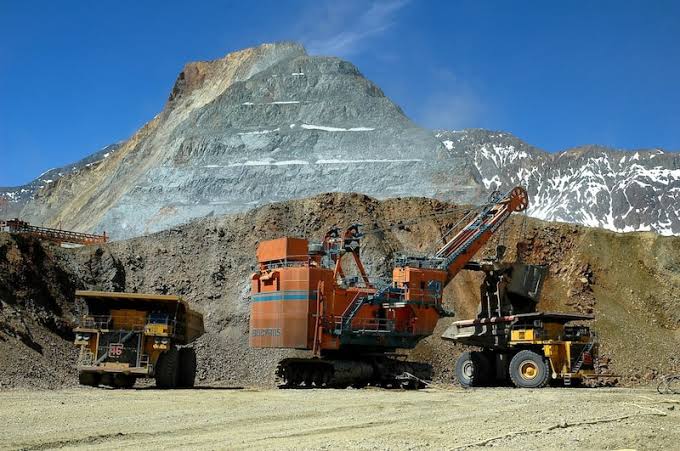
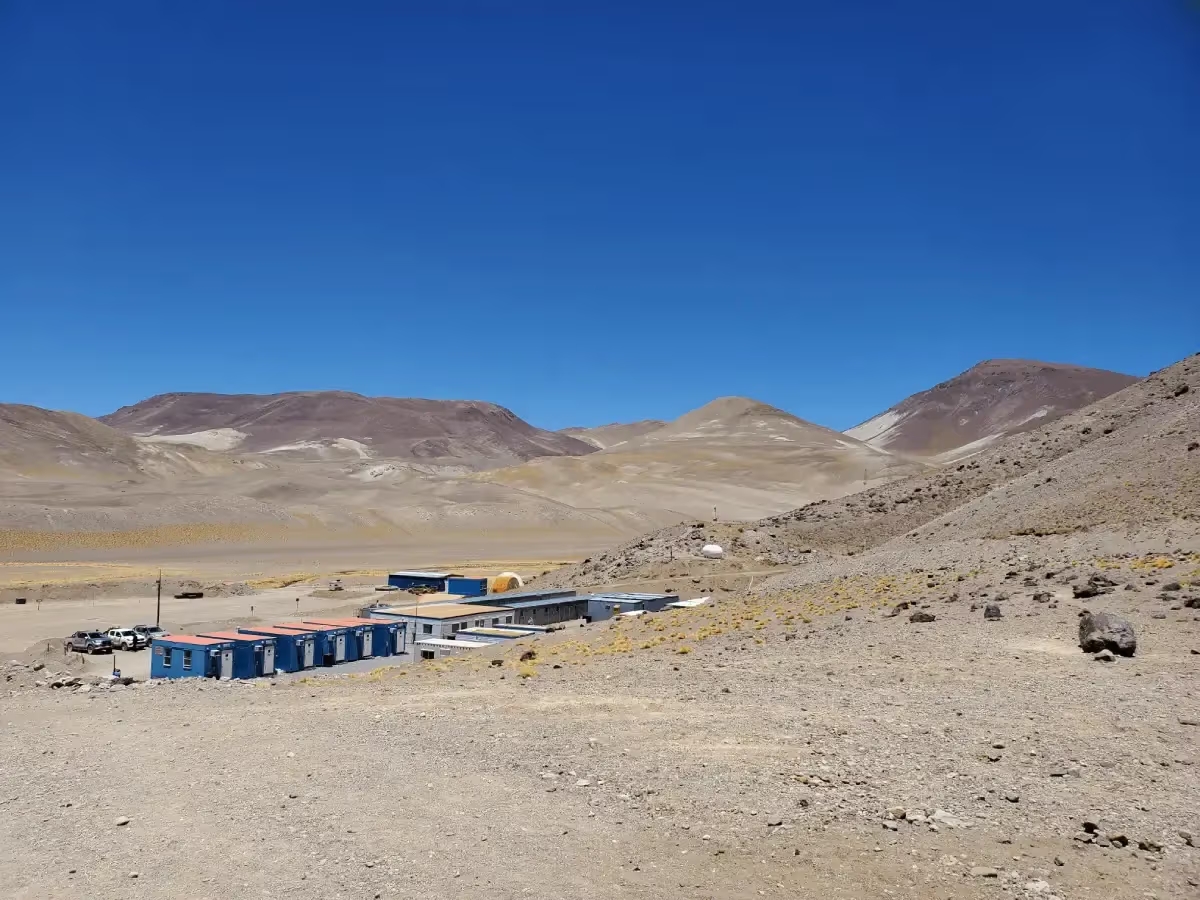
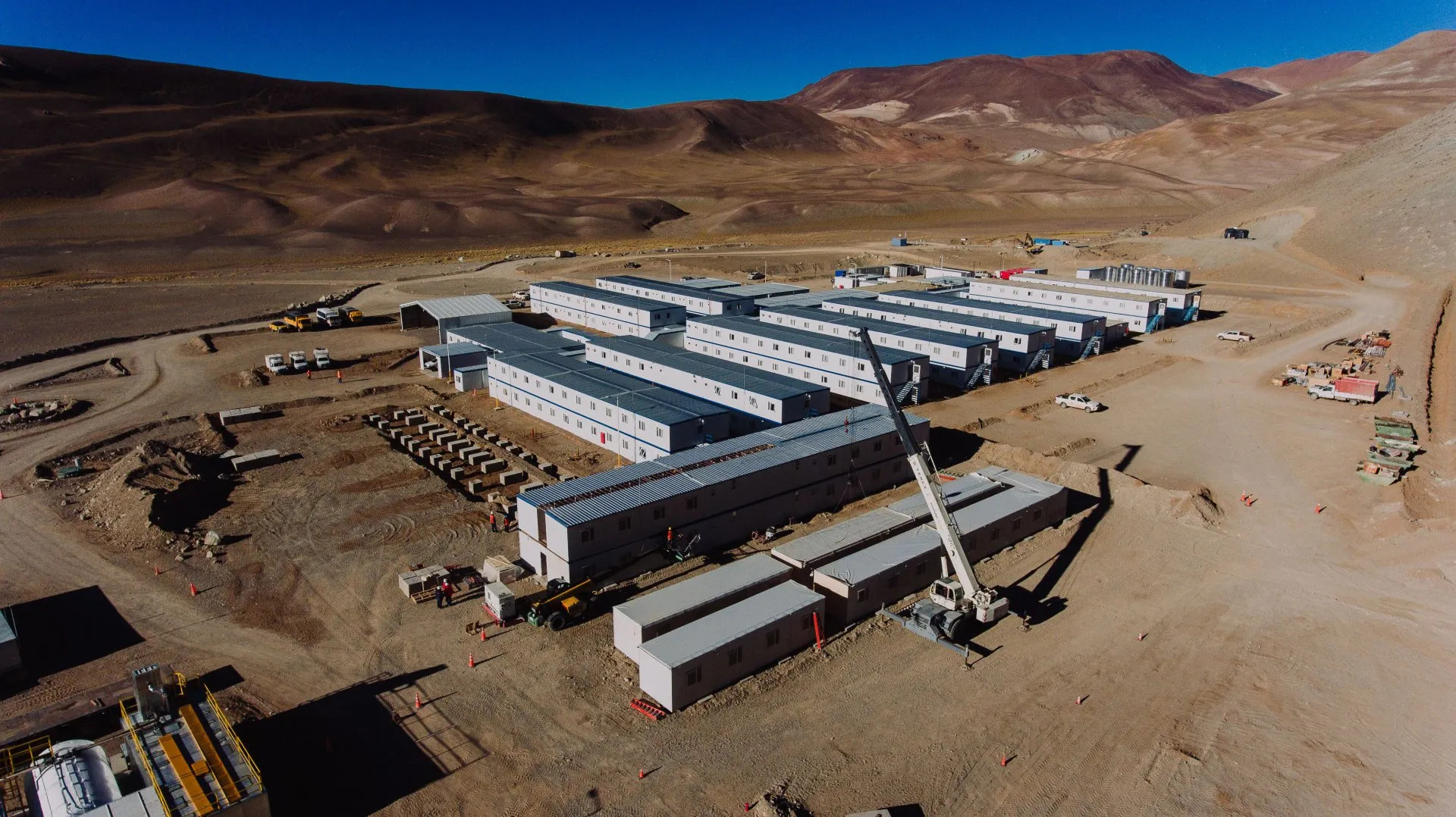
Vicuña Corp, la sociedad integrada por BHP y Lundin Mining, formalizó un acuerdo con el Gobierno de San Juan para realizar un desembolso extraordinario de US$ 250 millones destinado a infraestructura estratégica. Estos fondos, de carácter no reembolsable ni compensable, se percibirán al menos cinco años antes de que el yacimiento inicie su etapa de explotación comercial.
Impacto económico y fiscal del acuerdo entre San Juan y Vicuña Corp
El convenio define un esquema de financiamiento inédito para la minería argentina al separar temporalmente la percepción de recursos del inicio de la producción. La provincia de San Juan recibirá los US$ 250 millones de manera anticipada para ejecutar obras de infraestructura vial, hídrica y de saneamiento con impacto en los sectores productivo, agroindustrial y energético. Este pago se canalizará a través de un fideicomiso público bajo control estatal y se prevé que el desembolso se complete hacia fines del cuarto trimestre de 2026, una vez obtenida la ratificación legislativa.
El nuevo esquema de aportes y regalías provinciales
Desde el punto de vista tributario, el acuerdo ratifica que la provincia percibirá el 3% en concepto de regalías sobre el valor bruto de facturación una vez iniciada la producción. A este porcentaje se suma un aporte adicional del 1,5% sobre la facturación bruta, destinado específicamente al fideicomiso de infraestructura pública. El anticipo de US$ 250 millones funciona operativamente como un adelanto de los primeros cinco años de este flujo de fondos adicional, el cual comenzará a nutrirse regularmente a partir del sexto año de operaciones del proyecto,. Un detalle técnico relevante es que ambos porcentajes se calcularán sobre la facturación bruta y no sobre el valor de «boca de mina», lo que garantiza una base de cálculo superior para el Estado provincial.
Comparativa de contribuciones con otros proyectos operativos en la región
La magnitud del compromiso asumido por Vicuña Corp destaca al compararse con otras operaciones activas en la provincia. Los US$ 250 millones iniciales equivalen aproximadamente a un aporte anual de US$ 50 millones durante el primer quinquenio. En contraste, el proyecto aurífero Veladero aporta entre US$ 6 y US$ 7 millones anuales por conceptos similares, mientras que Gualcamayo contribuye con cerca de US$ 1 millón al año. Esta diferencia subraya la escala del proyecto Vicuña, que integra los yacimientos Josemaría y Filo del Sol, consolidándose como un actor central en la minería de cobre a nivel global.
Avances en el andamiaje regulatorio y la infraestructura estratégica
El acuerdo con la provincia se produce en un momento de definiciones clave para el desarrollo del proyecto en el ámbito nacional,. Recientemente, el Gobierno nacional otorgó a Vicuña la adhesión al Régimen de Incentivo para Grandes Inversiones (RIGI) bajo la figura de Proyecto de Exportación Estratégica de Largo Plazo,. Esta validación regulatoria es fundamental para garantizar la estabilidad necesaria para una inversión que podría alcanzar los US$ 18.000 millones en sus distintas etapas de desarrollo.
Certificación de infraestructura eléctrica y vial
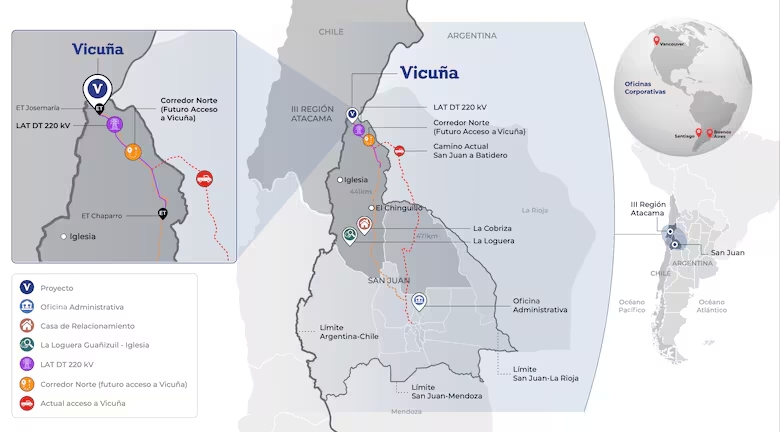
Un componente crítico para la operatividad del yacimiento es el abastecimiento energético. El ENREGE otorgó el Certificado de Conveniencia y Necesidad Pública para la construcción de una línea eléctrica de alta tensión de 500 kV,. Esta obra, que será financiada íntegramente por la compañía con recursos propios, permitirá extender por primera vez esta capacidad de potencia hasta la cordillera sanjuanina, asegurando los 260 MW requeridos para la primera etapa de Josemaría. Adicionalmente, Vicuña se comprometió a financiar el Corredor Norte, un tramo vial estratégico que conectará la localidad de Angualasto con el emprendimiento minero.
Resolución de controversias y previsibilidad jurídica
El convenio también pone fin a una disputa administrativa que se mantenía desde 2022 en relación con la Declaración de Impacto Ambiental (DIA). Al consolidar todas las obligaciones económicas derivadas de la DIA en este nuevo mecanismo contractual, se elimina la incertidumbre sobre posibles demandas adicionales por conceptos análogos en el futuro. Según directivos de la empresa, este marco proporciona la seguridad jurídica indispensable para avanzar hacia la fase de construcción, prevista para el año 2027.
Proyecciones de inversión, producción y empleo del complejo minero
El proyecto Vicuña se estructurará en tres fases operativas principales. La primera etapa se enfocará en el desarrollo de Josemaría, seguida por la explotación de óxidos en Filo del Sol, y una tercera fase dedicada a los recursos sulfurados y la ampliación de la infraestructura complementaria. Solo para la primera fase presentada bajo el RIGI, la inversión comprometida es de US$ 9.737 millones, de los cuales más de US$ 9.000 millones corresponden a activos computables.
Cronograma de desembolsos y etapas de desarrollo del yacimiento
La planificación financiera contempla una fase inicial de inversiones entre 2024 y 2026 por un total de US$ 1.128 millones. Posteriormente, entre 2027 y 2031, se estima una segunda fase con desembolsos que ascienden a US$ 7.895 millones. Además, la compañía asumió el compromiso específico de invertir US$ 2.009 millones durante los primeros dos años posteriores a la aprobación formal de su ingreso al RIGI. Este flujo de capital está diseñado para sostener un ritmo de construcción intenso que alcanzará su punto máximo a finales de esta década.
Impacto en el mercado laboral y las exportaciones nacionales
En términos de producción, las estimaciones de la Evaluación Económica Preliminar indican una capacidad promedio anual de 395.000 toneladas de cobre, 711.000 onzas de oro y 22,2 millones de onzas de plata durante los primeros 25 años. Este volumen de actividad generará exportaciones iniciales por US$ 2.600 millones anuales, pudiendo alcanzar los US$ 6.000 millones en su pico de producción plena, cifra que iguala la totalidad de las exportaciones mineras argentinas registradas en 2025. Respecto al empleo, se proyecta una demanda de 12.000 puestos de trabajo directos durante la construcción (2027-2030), para luego estabilizarse en 5.000 empleos directos y 19.000 indirectos durante la fase operativa, con un objetivo de contratación local cercano al 90%. Actualmente, el proyecto ya vincula a 2.615 trabajadores y mantiene contratos activos con 245 empresas, de las cuales 150 son proveedores de origen local
Copper Latin America -News
Key Takeaways
Advance Disbursement: The company will advance US$250 million for public works before the start of the production phase.
New Tax Scheme: A 1.5% contribution on gross revenue is established for an infrastructure trust fund, in addition to the 3% royalties.
Legal certainty: The agreement stabilizes the provincial tax regime and resolves administrative disputes that have been ongoing since 2022.
Structural impact: The project, which is part of the RIGI, calls for total investments of up to US$18 billion and the creation of thousands of jobs.
Vicuña Corp, the joint venture between BHP and Lundin Mining, formalized an agreement with the Government of San Juan to make an extraordinary disbursement of US$ 250 million for strategic infrastructure. These funds, which are non-reimbursable and non-offsetable, will be received at least five years before the mine begins commercial production.
Economic and Fiscal Impact of the Agreement Between San Juan and Vicuña Corp
The agreement establishes an unprecedented financing scheme for the Argentine mining sector by temporarily separating the collection of funds from the start of production. The province of San Juan will receive the US$250 million in advance to carry out road, water, and sanitation infrastructure projects that will benefit the manufacturing, agro-industrial, and energy sectors. This payment will be channeled through a state-controlled public trust, and disbursement is expected to be completed by the end of the fourth quarter of 2026, once legislative ratification has been obtained.
The New Provincial Contribution and Royalty Scheme
From a tax perspective, the agreement confirms that the province will receive 3% in royalties on gross revenue once production begins. In addition to this percentage, there is an additional 1.5% contribution on gross revenue, earmarked specifically for the public infrastructure trust fund. The US$250 million advance effectively serves as a prepayment for the first five years of this additional cash flow, which will begin to be generated regularly starting in the project’s sixth year of operations. A key technical detail is that both percentages will be calculated based on gross revenue rather than the “mine-mouth” value, ensuring a higher calculation basis for the provincial government.
Comparison of Contributions with Other Operational Projects in the Region
The scale of Vicuña Corp’s commitment stands out when compared to other active operations in the province. The initial US$250 million is equivalent to an annual contribution of approximately US$50 million during the first five years. In contrast, the Veladero gold project contributes between US$6 million and US$7 million annually for similar items, while Gualcamayo contributes about US$1 million per year. This difference underscores the scale of the Vicuña project, which integrates the Josemaría and Filo del Sol deposits, establishing itself as a key player in global copper mining.
Progress on the Regulatory Framework and Strategic Infrastructure
The agreement with the province comes at a time of key decisions for the project’s development at the national level. Recently, the national government granted Vicuña admission to the Incentive Regime for Large Investments (RIGI) under the category of Long-Term Strategic Export Project. This regulatory approval is essential to ensure the stability required for an investment that could reach US$18 billion across its various development stages.
Certification of Electrical and Road Infrastructure
A critical component for the field’s operations is its power supply. ENREGE granted the Certificate of Public Convenience and Necessity for the construction of a 500-kV high-voltage power line. This project, which will be financed entirely by the company using its own funds, will extend this power capacity to the San Juan mountain range for the first time, ensuring the 260 MW required for the first phase of Josemaría. Additionally, Vicuña committed to financing the Northern Corridor, a strategic road section that will connect the town of Angualasto with the mining project.
Dispute Resolution and Legal Predictability
The agreement also puts an end to an administrative dispute that had been ongoing since 2022 regarding the Environmental Impact Statement (EIS). By consolidating all financial obligations arising from the EIS into this new contractual mechanism, uncertainty regarding potential future claims for similar matters is eliminated. According to company executives, this framework provides the legal certainty essential for moving forward to the construction phase, scheduled for 2027.
Investment, Production, and Employment Projections for the Mining Complex
The Vicuña project will be structured into three main operational phases. The first phase will focus on the development of Josemaría, followed by the mining of oxide deposits at Filo del Sol, and a third phase dedicated to sulfide resources and the expansion of supporting infrastructure. For the first phase presented under the RIGI alone, the committed investment is US$9,737 million, of which more than US$9,000 million corresponds to eligible assets.
Schedule of Disbursements and Development Stages of the Field
The financial plan calls for an initial investment phase between 2024 and 2026 totaling US$ 1,128 million. Subsequently, between 2027 and 2031, a second phase is projected with disbursements amounting to US$ 7,895 million. In addition, the company made a specific commitment to invest US$ 2,009 million during the first two years following formal approval of its inclusion in the RIGI. This capital outflow is designed to sustain an intense pace of construction that will peak by the end of this decade.
Impact on the Labor Market and National Exports
In terms of production, estimates from the Preliminary Economic Assessment indicate an average annual capacity of 395,000 metric tons of copper, 711,000 ounces of gold, and 22.2 million ounces of silver over the first 25 years. This level of activity will generate initial exports of US$2.6 billion annually, potentially reaching US$6 billion at peak production, a figure equal to Argentina’s total mining exports recorded in 2025. In terms of employment, the project is projected to create 12,000 direct jobs during construction (2027–2030), before stabilizing at 5,000 direct jobs and 19,000 indirect jobs during the operational phase, with a target of hiring nearly 90% of the workforce locally. Currently, the project already employs 2,615 workers and has active contracts with 245 companies, 150 of which are local suppliers.
Copper Latin America -News
Descubre más desde Copper Latin America -News
Suscríbete y recibe las últimas entradas en tu correo electrónico.